
Australian Centre for Christianity and Culture
Date: 19/09/2026 Author: Rev. Dr Brian Douglas
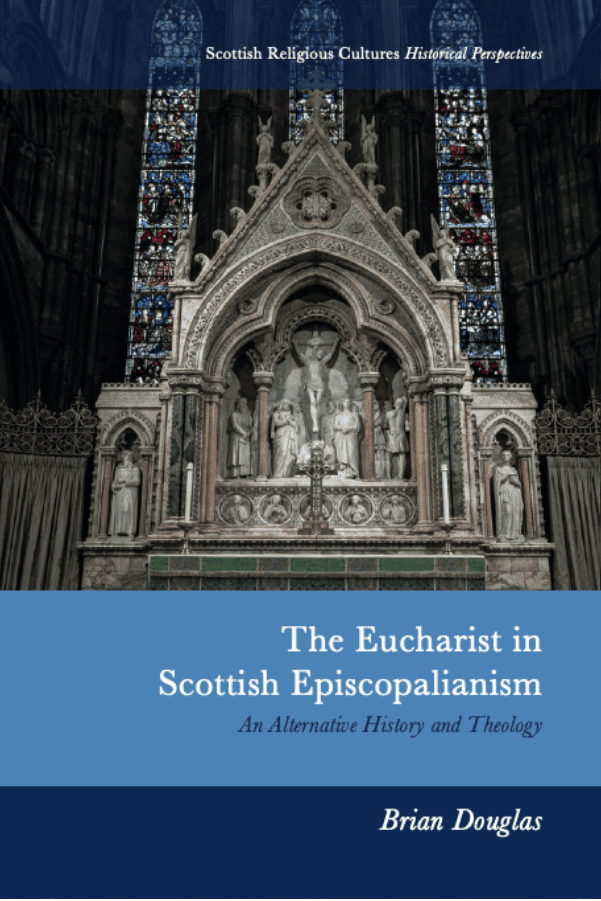
The Eucharist in Scottish Episopalianism: An Alternative History and Theology
This new book written by Brian Douglas, an adjunct Research Professor at the ACC&C, examines the history and theology of the Eucharist in Scottish Episcopalianism from the Reformation to the present day. It is published by Edinburgh University Press. The book provides an overview of the realist eucharistic theology of the Scottish Episcopal Church, highlighting its rich history with important links to Scripture, ancient sources, theological reflection and the present. The developed realism of Scottish Episcopal eucharistic theology presents an alternative in the Anglican Communion with important historical, sacramental and ecclesial implications.
The book shows that significant realist eucharistic theology was present in Scottish Episcopalianism and its eucharistic liturgies from the Reformation onwards, with emphasis on the role of the Spirit, oblation, eucharistic presence and sacrifice and extended prayers of thanksgiving. The book also provides detailed reflection on the modern-day liturgical products of the Scottish Episcopalian Church and the underlying theology of the Eucharist. The book presents the theological and liturgical scholarship of Scottish Episcopalianism and the Scottish Episcopal Church on the Eucharist as an important alternative in Anglican history and theology.
Brian has also authored an article in Anglican and Episcopal History, the journal of the Historical Society of the Episcopal Church of the United States of America. The article entitled The Episcopal Churches in Scotland and the United States of America: A shared heritage of liturgy and eucharistic theology, examines the important link and shared liturgical heritage between the two churches, which dates back to the consecration of the first American bishop, Samuel Seabury, in Scotland in 1784 by the Scottish bishops. Seabury promised the Scottish bishops he would use the Scottish eucharistic liturgy in America and the American eucharistic liturgy has reflected this shared heritage ever since that time. This article reviews these strong links and considers their continuing place in the life of both churches.