Sustainability
- Home
- Locations
- What you can do
- LiFE Framework
- Sustainable Development Goals
- About us
- Grants
- Events
- Contact us
The operational directives of the Sustainability Team play a key role in supporting Charles Sturt University's corporate strategy. Listed within it are these biodiversity targets:
Biodiversity reports were commissioned for each major campus to help staff to identify areas of existing biodiversity value, as well where Charles Sturt University can protect and enhance connectivity between these areas.
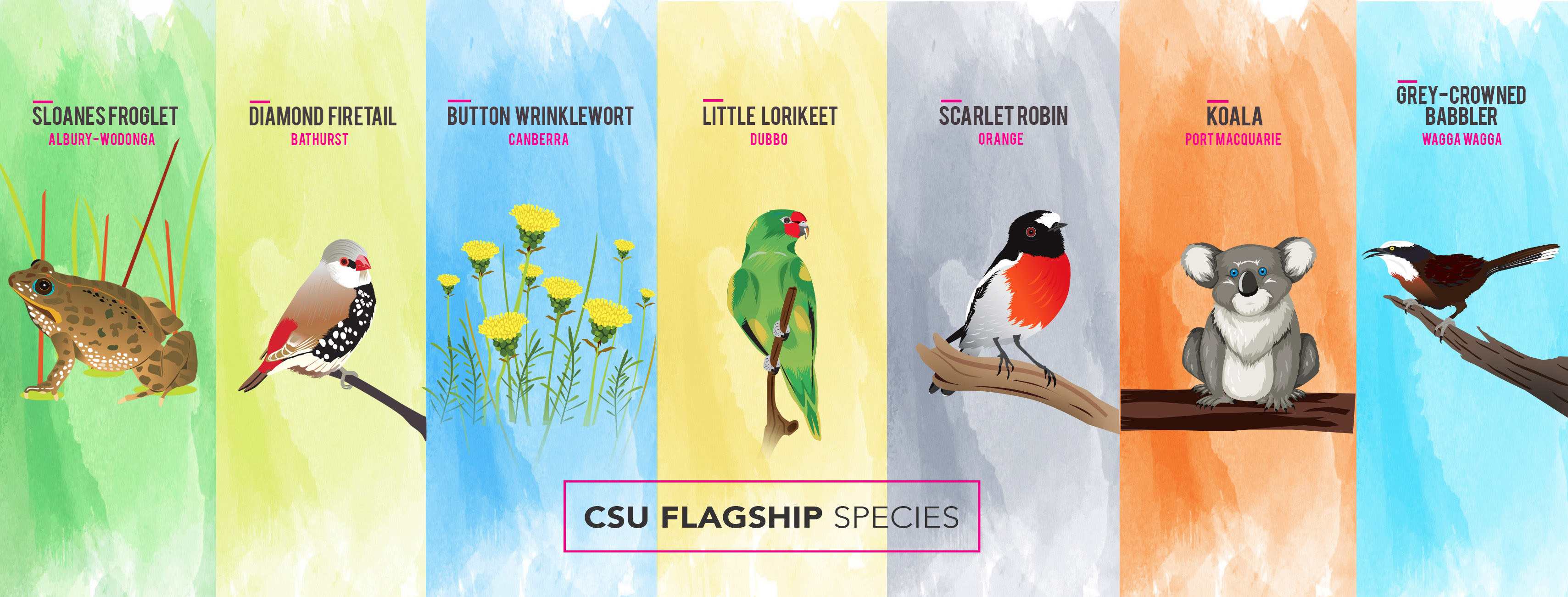
From these biodiversity reports, we have identified actions and initiatives to actively support species listed on the IUCN Red List and national conservation registers. Examples include:
Sloane’s Froglet - To protect the habitat of the vulnerable Sloane’s Froglet, we’ve implemented campus-specific management plans. These include:
Koala - We encourage staff, students, and the community to use the I Spy Koala App, a free tool developed by the NSW Government. This citizen science initiative helps track koala populations and inform conservation efforts.
Peregrine Falcon - A breeding pair of Peregrine Falcons is monitored via our Falcon Cam livestream. This initiative has:
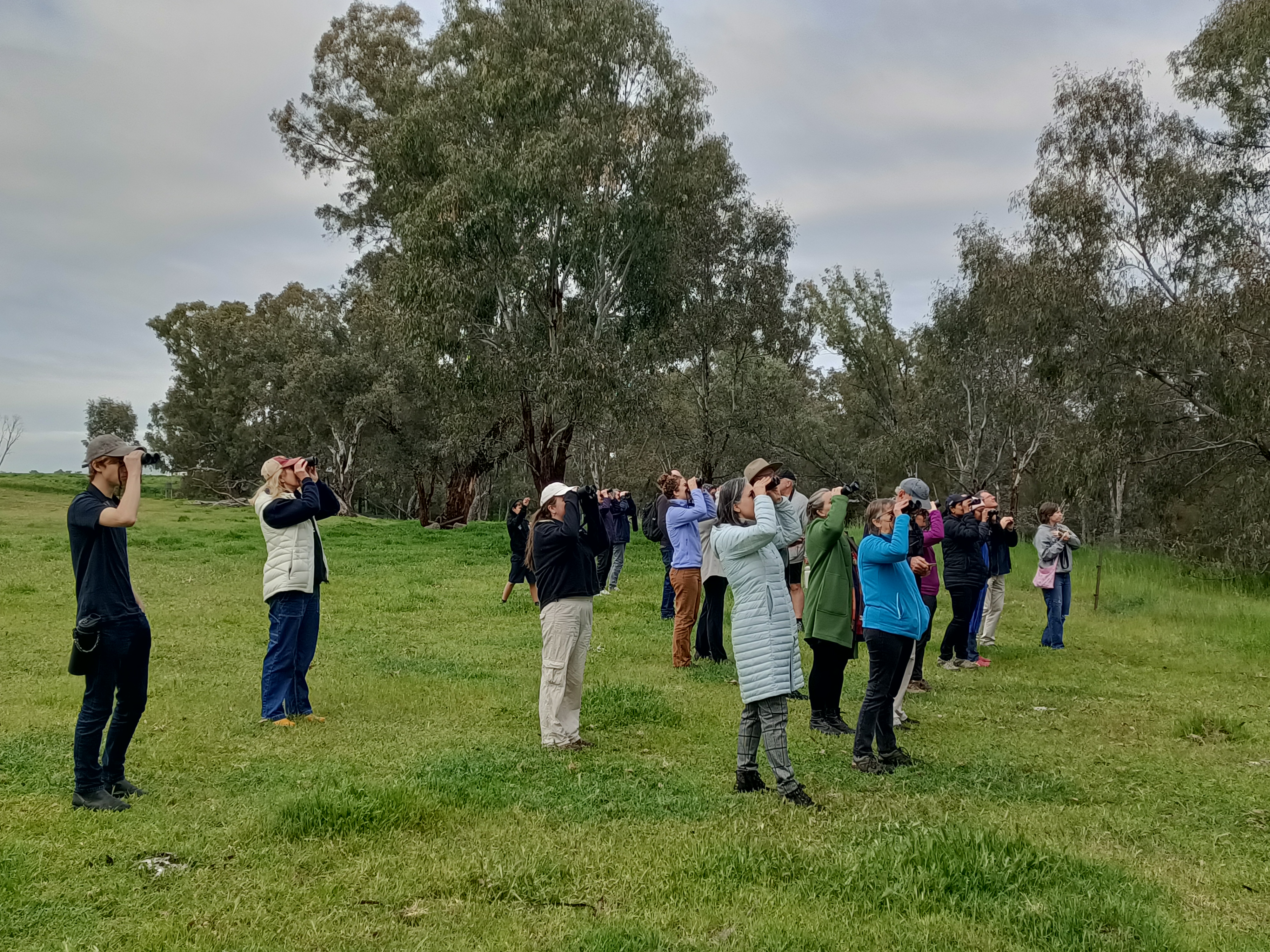
Avian Surveys - Regular bird surveys across multiple campuses help us track species diversity and abundance.
Sustainability at Charles Sturt aims to include the majority of the areas identified in these reports in our biodiversity targets, though occasionally natural or human-made factors prevent this. Two examples include:
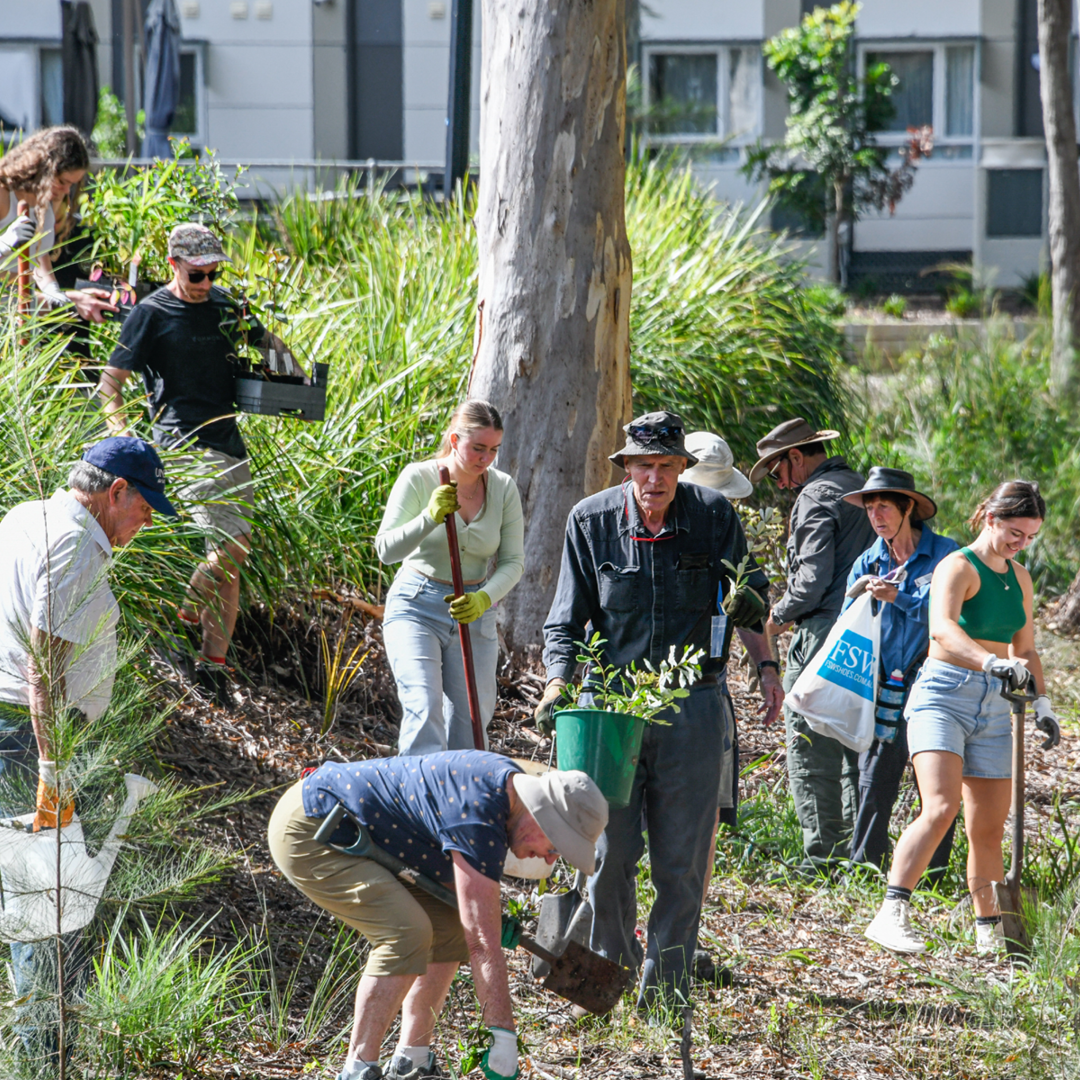
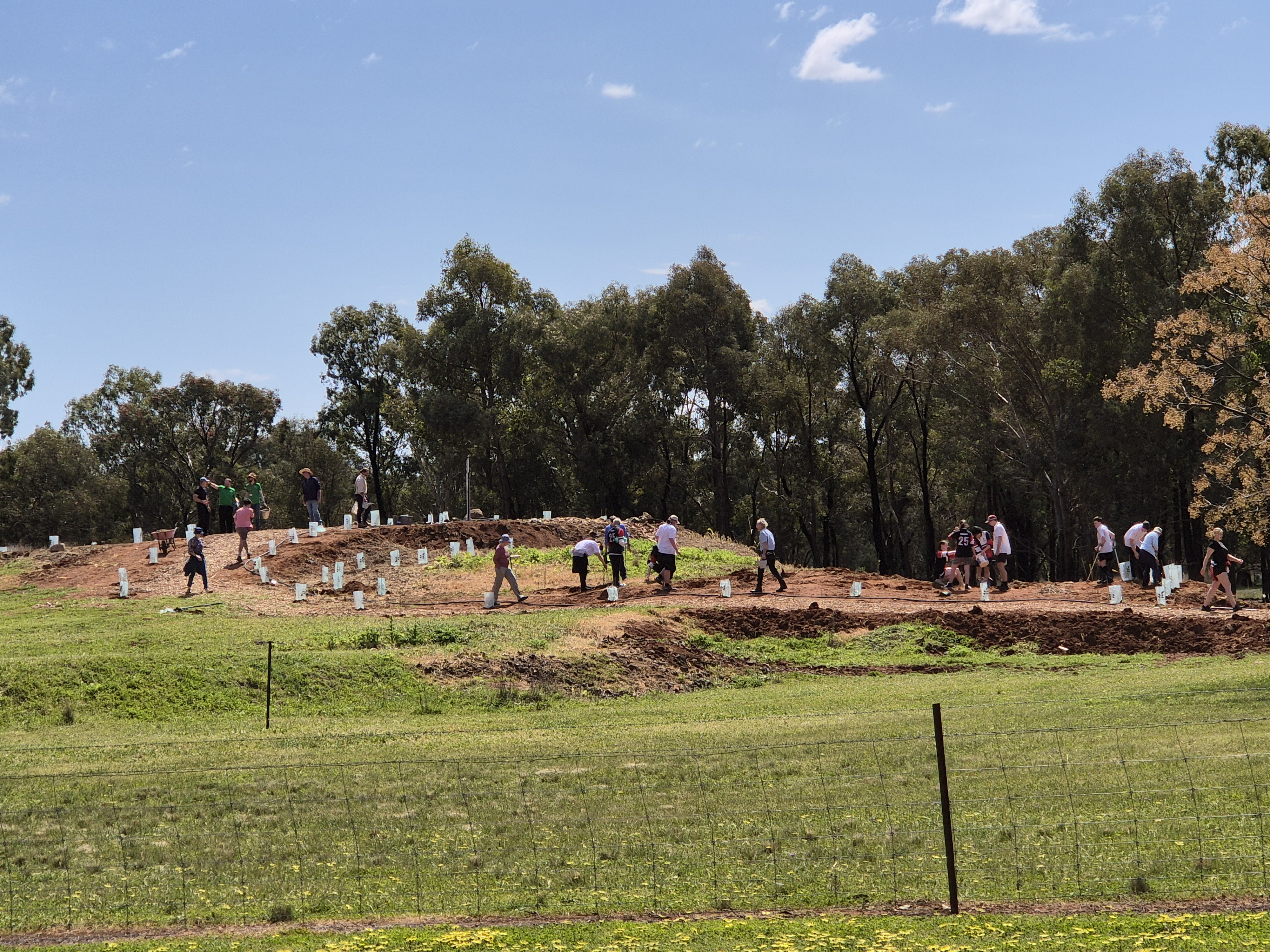
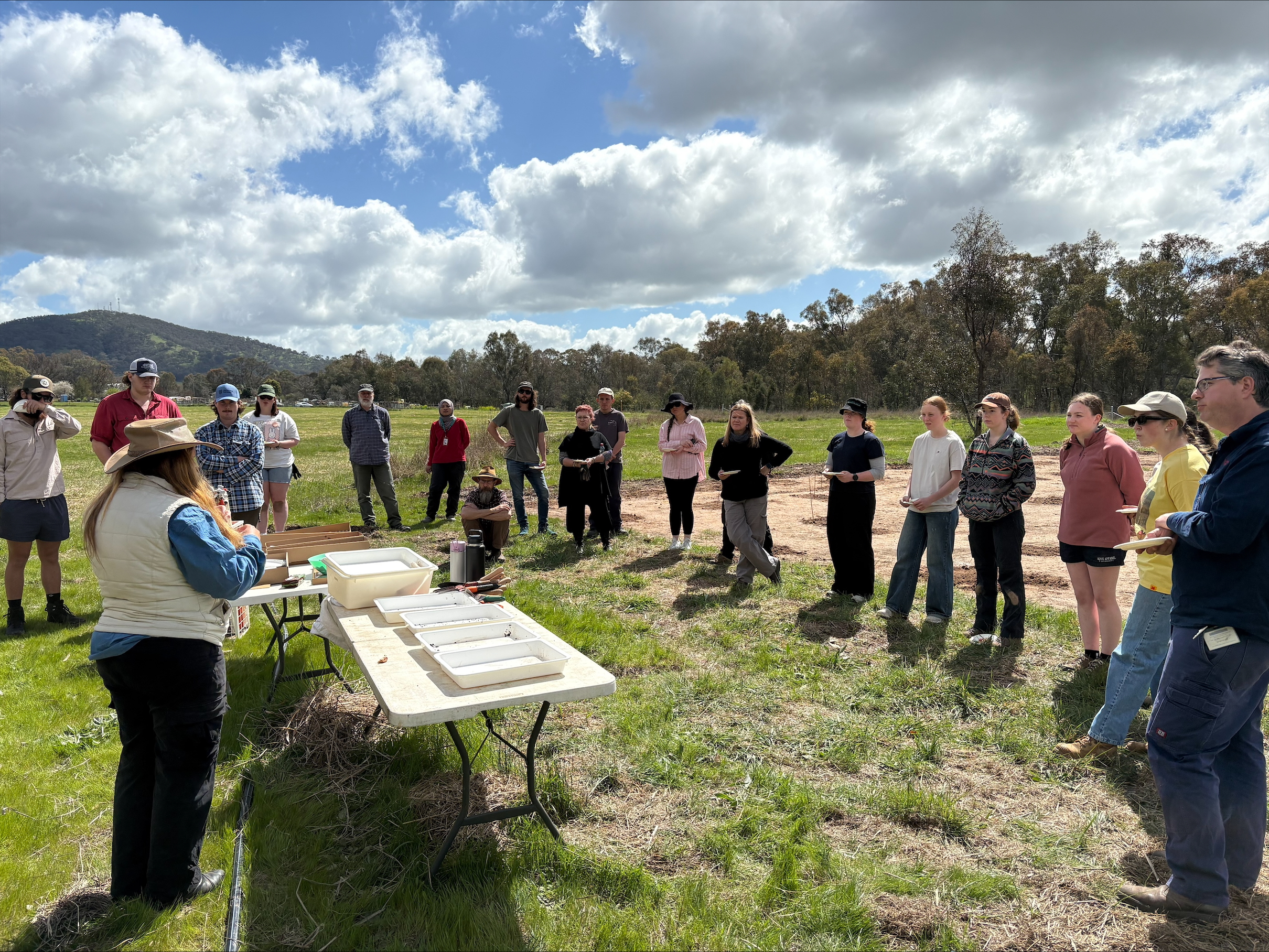
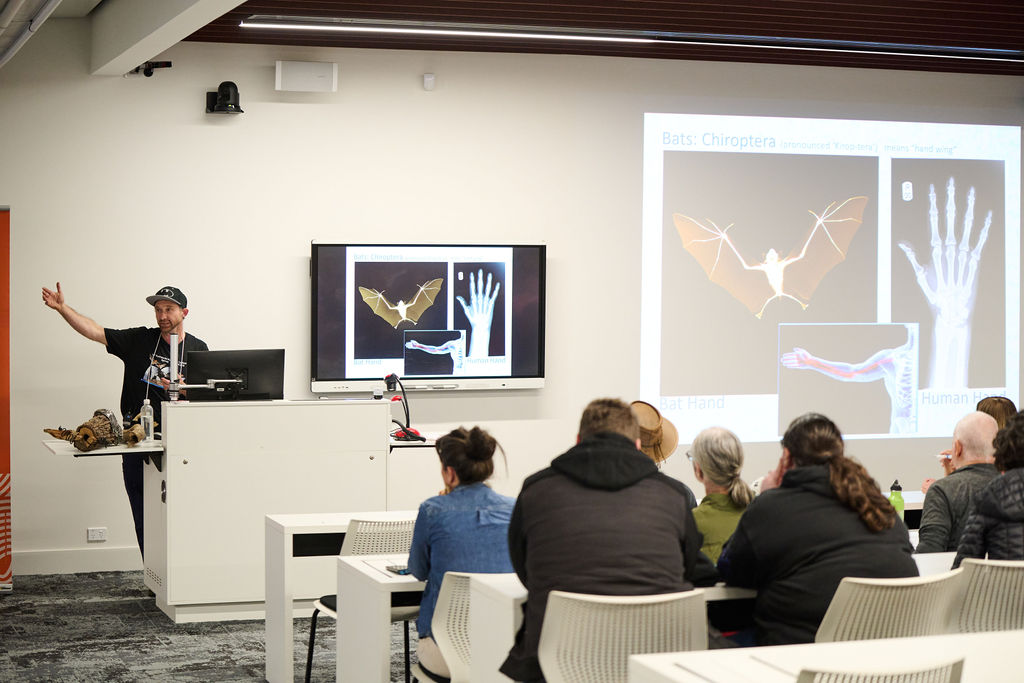
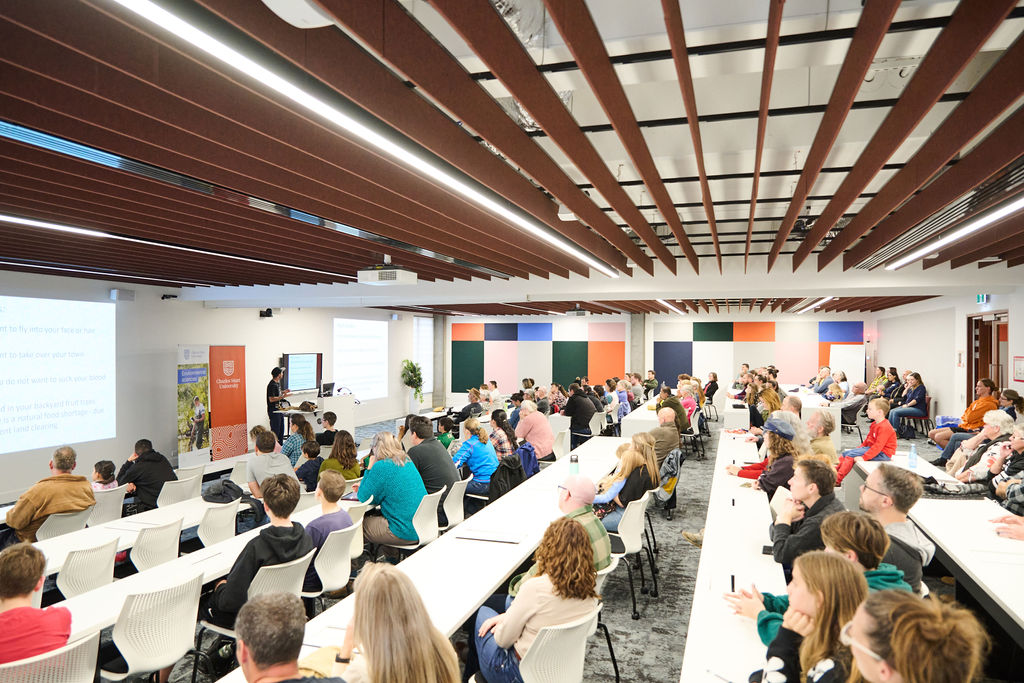
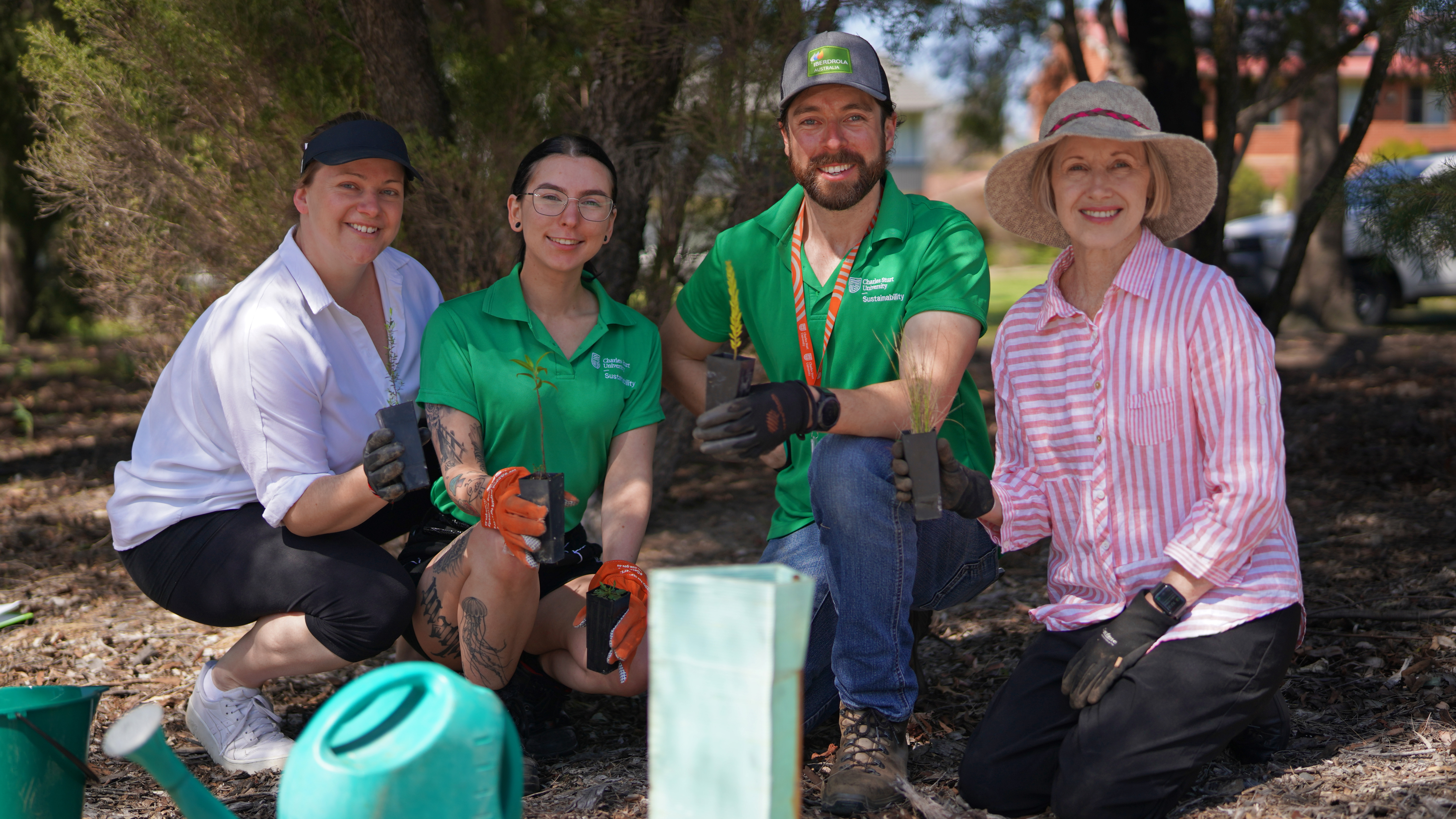
Since 2022, the Sustainability team at Charles Sturt University has delivered an ongoing program of engagement activities across all major campuses to celebrate Biodiversity Month.
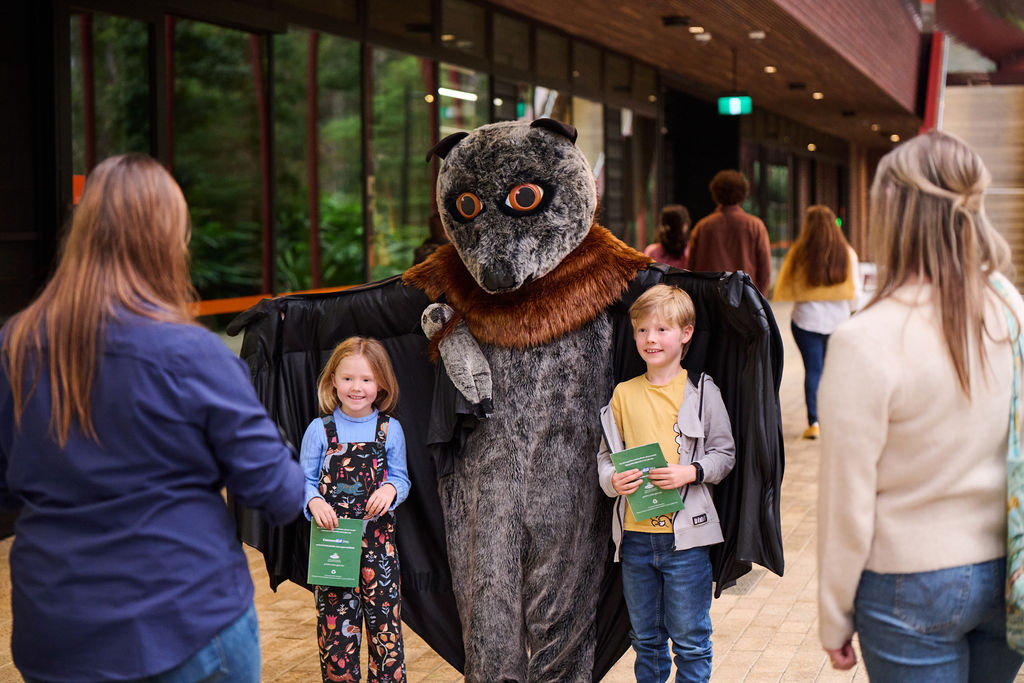
Over this period, more than 2,000 students, staff and community members have participated in a diverse range of events, including tree planting days, direct seeding workshops, Breakfast with the Birds sessions, and International Bat Night.
These initiatives are made possible through collaboration with a range of internal business units, as well as partnerships with local community groups and councils. Together, these activities support nature-positive land management across more than 330 hectares of University land and contribute to Charles Sturt’s target of dedicating 30 per cent of core land to biodiversity outcomes by 2030.
Interested in contributing? Join one of our Campus Environmental Working Groups by emailing sustainability@csu.edu.au. These groups play a vital role in delivering Biodiversity Month events and provide an excellent opportunity to connect with like-minded individuals.
We gratefully acknowledge the valued support of community organisations that have contributed to multiple Biodiversity Month events, including:
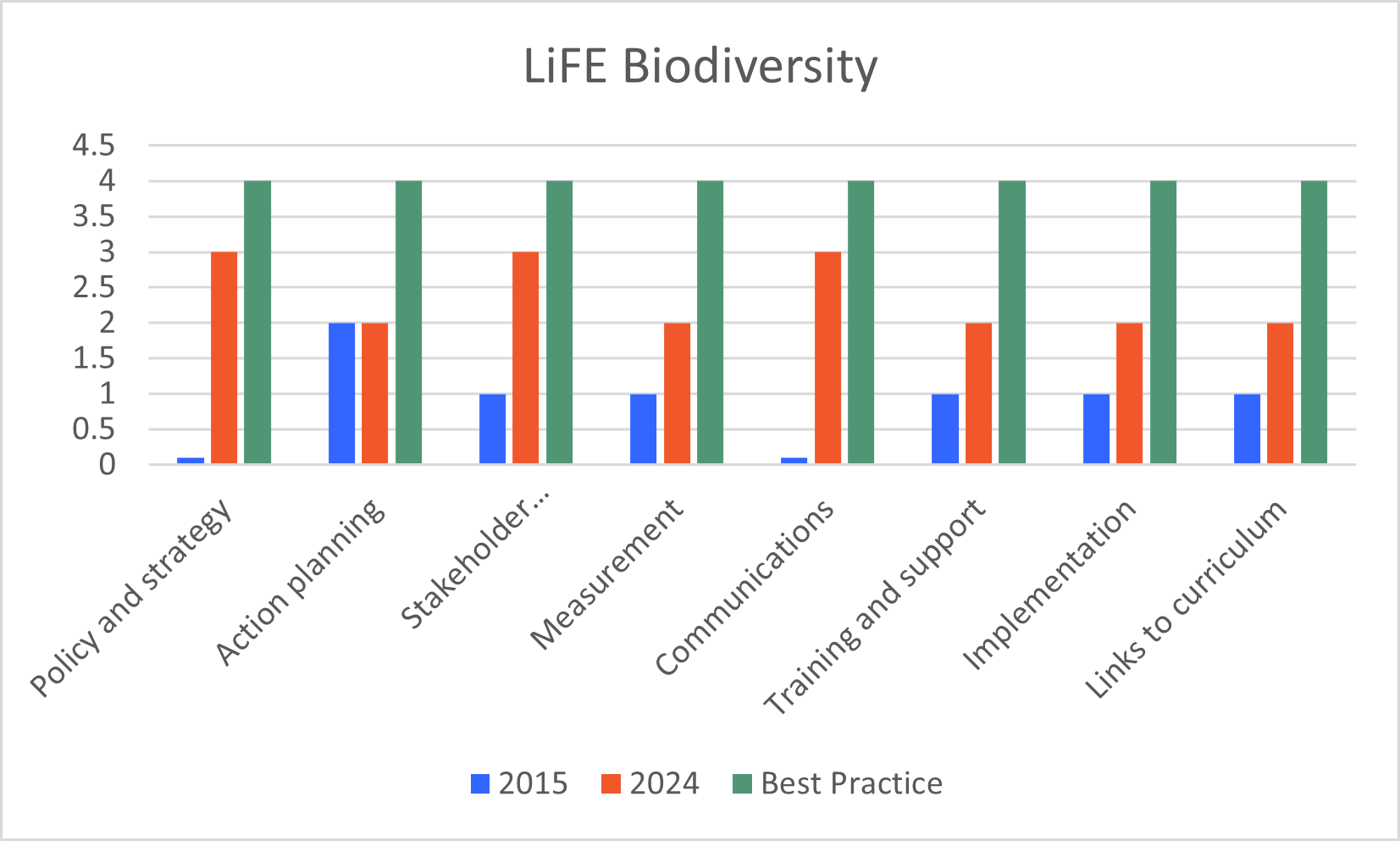
This framework was first benchmarked in 2015 and revisited every year. The below graph illustrates our progress towards best practice across the eight (8) activity areas.
Sustainability at Charles Sturt acknowledges the Wiradjuri, Ngunawal, Ngambri, Gundungurra, Ngiyeempaa and Biripai (or Biripi) peoples who are the traditional owners and custodians of the Country’s in which our campuses are located and with whom Charles Sturt has an association, and we pay respect to their Elders past, present and emerging.
Charles Sturt University aligns our research, policies, procedures, and other work with the UN Sustainable Development Goals (SDGs). These are the most relevant SDGs for this initiative.