Endometriosis and Exercise

Empowering Women with Endometriosis Through Exercise

The challenge

Endometriosis affects the physical, reproductive and mental wellbeing of millions of women worldwide. For many women living in regional, rural and remote communities, accessing specialist care and evidence-based treatment options can be particularly challenging. Despite growing interest in exercise as a potential management strategy, there is limited scientific evidence to guide what type, duration or intensity of exercise delivers meaningful benefits.

Our response

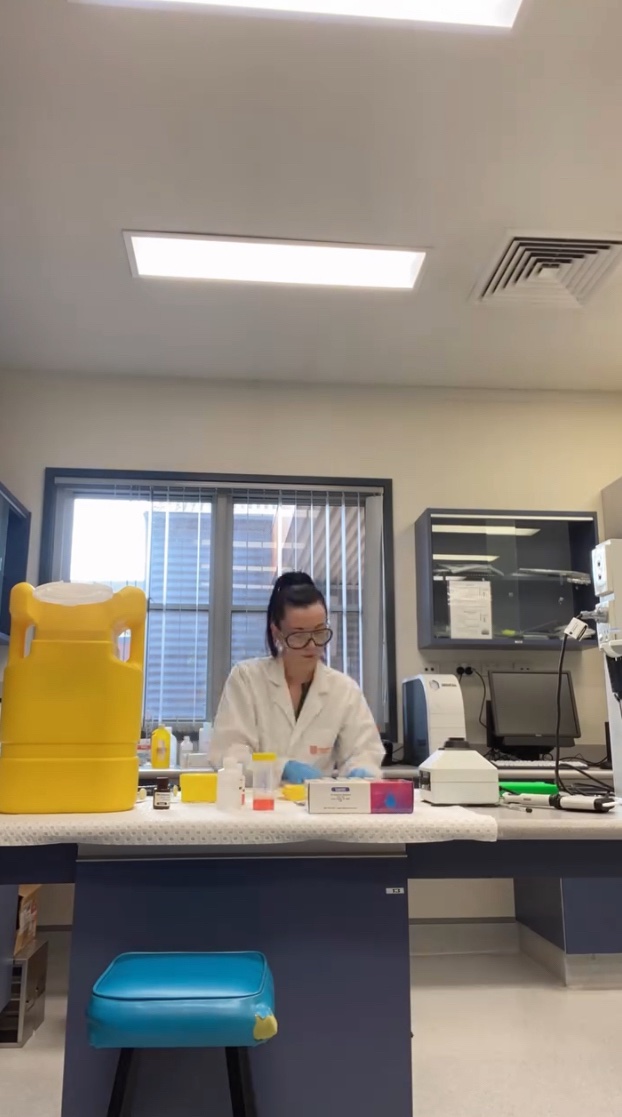
At Charles Sturt University, Dr Tegan Hartmann and the H.E.R. Lab are leading research to understand how exercise influences symptoms and biological markers associated with endometriosis. This project is examining whether different exercise programs can improve quality of life, reduce symptom burden and contribute to better long-term management of the condition.

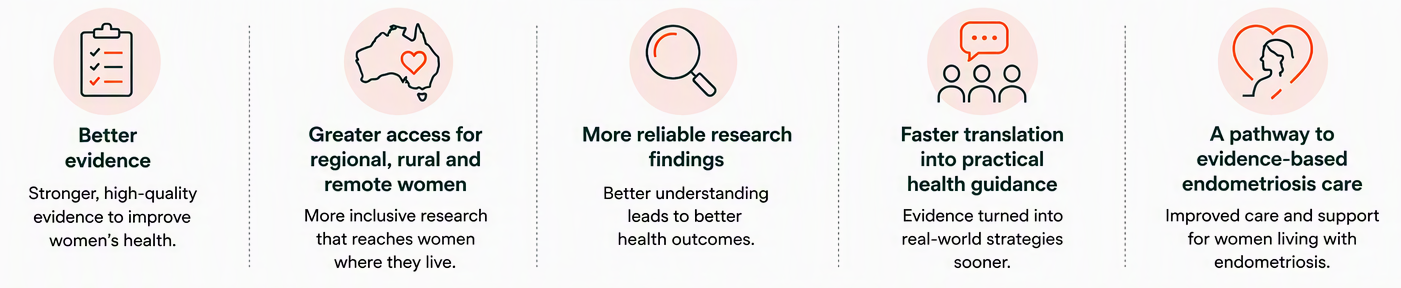
A unique feature of the study is its focus on women living in regional, rural and remote Australia, using technologies that allow participation regardless of location.

Why this matters

Exercise is an affordable, accessible and low-risk intervention available to many women. By identifying the minimum effective dose of exercise needed to improve symptoms and health outcomes, this research has the potential to provide practical guidance for women, healthcare professionals and policymakers.
The findings may also help establish exercise as an evidence-informed component of endometriosis care and create a foundation for future research into other conditions affecting female health.

Progress so far

More than 300 women have expressed interest in participating in the study.
Eligible participants have already commenced the clinical trial.
The research protocol has been published in MethodsX.
Research findings and approaches are being shared with practitioners and patient communities through national women's health and exercise science organisations.

How philanthropy is helping

Early philanthropic support from the Country Education Foundation helped launch this important work and expand access for women who may otherwise be unable to participate in research.

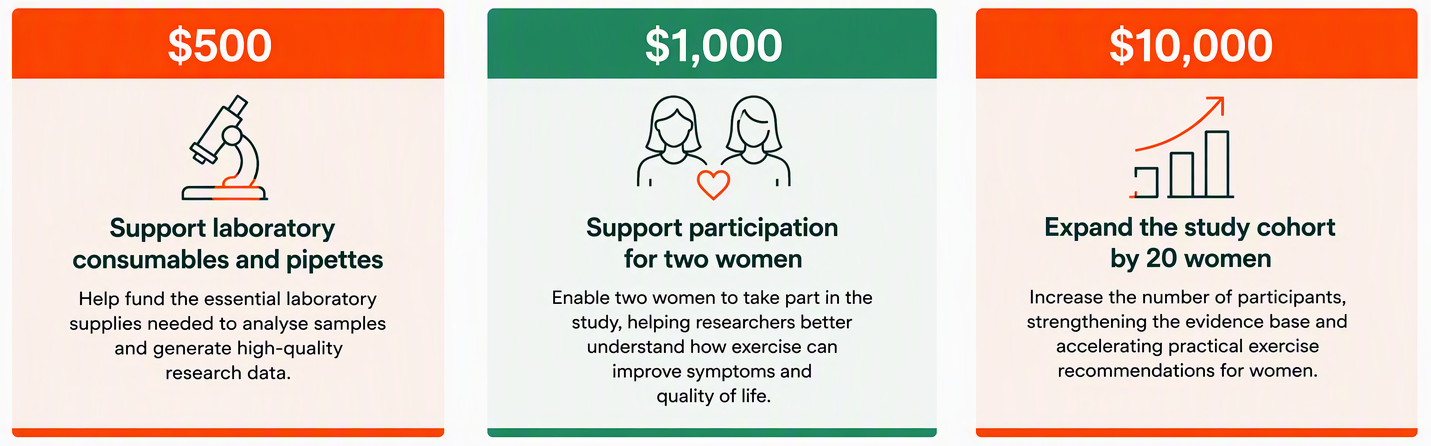
Additional support will help:Giving Endo

  • Recruit more participants.
  • Strengthen the evidence generated through the clinical trial.
  • Replicate and validate findings.
  • Accelerate the translation of research into practical health guidance.
  • Build the next phase of a broader women's health research program.
Looking ahead


The long-term vision is a five-year research program investigating how exercise influences hormonal, inflammatory and reproductive pathways in endometriosis. This research aims to generate the evidence needed for exercise to become a targeted, evidence-based tool within women's healthcare, improving outcomes for future generations of women.

Endo info

Tegan Lab

Give now