24 February 2026
Earlier in February 2026, Mary Goodacre and Pip Job from our team brought 12 RiskWi$e NSW partners together in Dubbo to step back and look at what we’ve learned over the past three years.
The conversation focused on a core question: how can growers better weigh upside reward against downside risk in cropping decisions - whether that’s nitrogen, phosphorus, lime, rotations, machinery upgrades or soil carbon?
One insight stood out: growers who routinely fertilise to replace the nitrogen removed by the previous crop, and who take a more analytical approach to decision making, are proving more profitable over the long term.
In a good year, having adequate nitrogen available allows crops to get closer to their yield potential, even if in-crop applications are limited. In a dry year, research is showing that unused nitrogen can carry over, helping reduce downside risk and setting up the following crop.
So, what does “more analytical” look like in practice? It can be as straightforward as using soil or grain protein tests to understand how much nitrogen the crop removed last season and how much needs to be replaced. It can mean using seasonal forecasts and recalculating in-season nitrogen applications based on deciles: too dry (decile 1-2), average, good or very wet (decile 9-10). An agronomist can help growers with this.
These shifts can help growers better capture upside in good seasons and manage risk in tougher ones, delivering more consistent gains in production and profit.
Find out more about the RiskWi$e project and it's outcomes
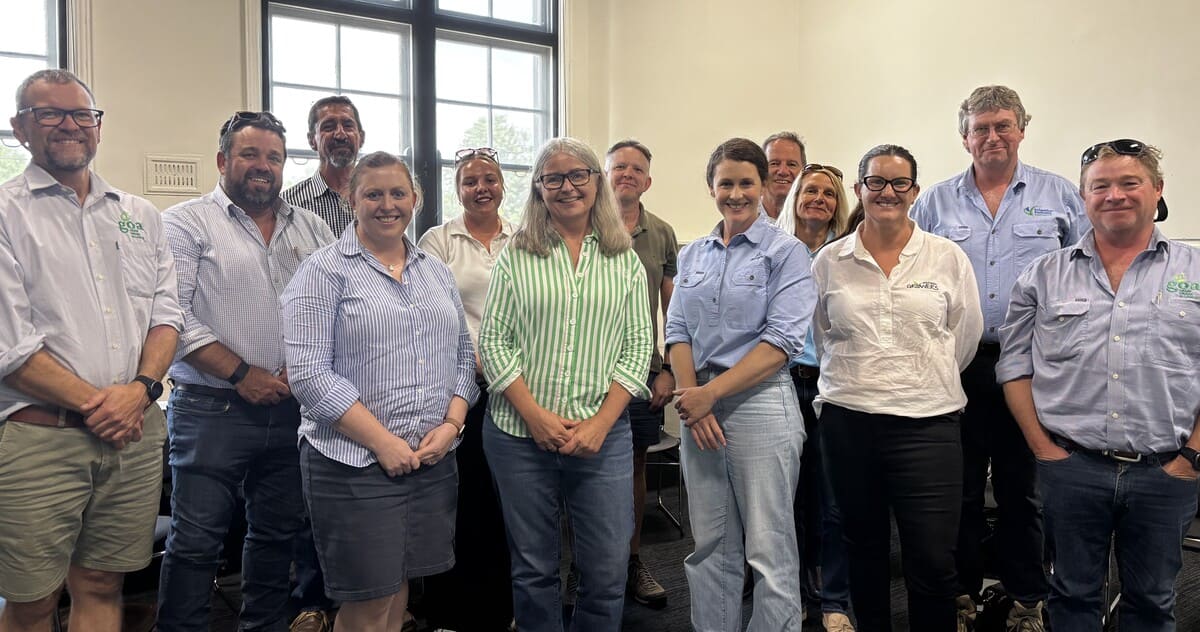
RiskWi$e NSW partners meet in Dubbo February 2026