29 May 2026
For this month’s First Nations Engagement Group Q&A, we speak with Marty Jeffrey. Marty brings deep experience across Aboriginal community engagement, policy, sport and local cultural governance. In this conversation, he shares his perspective on the importance of listening properly, building trust over time, and ensuring First Nations voices help shape work that affects Country, community and future resilience.
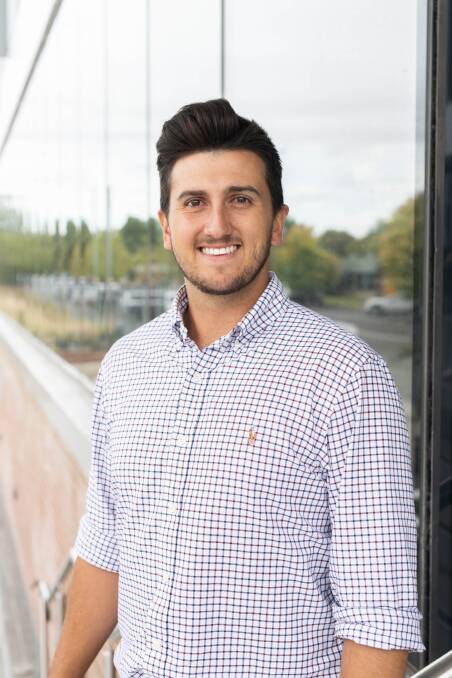
Can you tell us a bit about yourself and the community and Country that shaped who you are?
I’m a proud Tubba-Gah Wiradjuri man from Dubbo. I was born and raised there, on the Country of my people, and that connection to family, community and Country has really shaped who I am.
Growing up regionally is something I hold really close. It gave me a strong understanding of community and the importance of relationships and connection. A lot of the work I do now comes back to that foundation.
Professionally, I’ve worked across Aboriginal strategy and policy in a range of government agencies, and more recently moved into a role leading Aboriginal outcomes at the NSW Office of Sport. I’m also Chair of the Tubba-Gah Wiradjuri Aboriginal Corporation back home in Dubbo, so I’m lucky to work across both government and community spaces.
That combination gives me a good understanding of how systems work, but also what communities actually need and want on the ground.
What drew you to the First Nations Engagement Group?
What really drew me to the group was the opportunity to help shape things from the start.
Too often, Aboriginal perspectives get brought in later down the track, once programs are already designed. But Aboriginal leadership should be embedded from the outset - not just in delivery, but in decision-making and leadership as well.
I think it’s important that organisations genuinely listen to Aboriginal voices and perspectives when they’re designing programs and initiatives, particularly when they’re working in regional communities. The Hub seemed genuinely committed to that, and that’s why I wanted to be involved.
What do you think can be missed when Aboriginal perspectives aren’t included in conversations about drought and climate resilience?
When climate or drought is talked about through a Western lens, the conversation is often very linear: focused on production, economics or water.
But from an Aboriginal perspective, everything is connected.
Country, people, culture and wellbeing are all intertwined, and when something impacts one part of that system, there’s a flow-on effect across everything else.
Traditional ways of understanding and caring for Country have existed for thousands of years, but you can’t really understand those perspectives unless you build relationships with the people connected to that Country.
Things like traditional burning practices, understanding sacred places, or how Country connects spiritually to people - those perspectives are really important, and they can easily be missed if Aboriginal voices aren’t part of the conversation from the beginning.
You’ve worked across both government and community settings. How do you make sure programs reflect what communities actually need?
For me, it comes back to relationships and accountability.
Consultation can’t just be a one-off exercise or a box-ticking activity. If you want to build genuine relationships, there needs to be accountability from both sides and a shared commitment to the outcome you’re working towards.
The other important thing is making sure programs are grounded in local voices and local realities. Too often, we see cookie-cutter approaches rolled out across an entire state without recognising that every community is different. What works in one place might not work somewhere else. That’s why place-based approaches matter.
The Group brings together people from different backgrounds and regions. How has that diversity shaped discussions so far?
I’m only one meeting in, but already you can see the value of having a really diverse group of people around the table.
I’m one of the younger members of the group, and I’m very aware of the knowledge and lived experience that the older members bring. There’s a huge amount of respect within the group for those different perspectives.
What’s been strong is that everyone comes at things slightly differently. We’re all Aboriginal people and we’re all there because we care about Aboriginal outcomes, but we each bring different experiences, different ways of thinking and different understandings based on where we come from and the work we do.
I think that diversity is what makes the conversations so valuable.