Soils in Agriculture Education Package

It all starts with soil

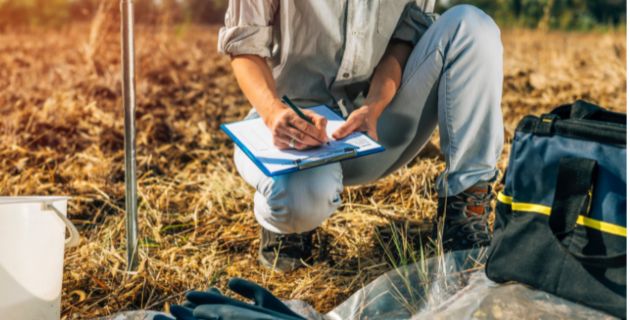
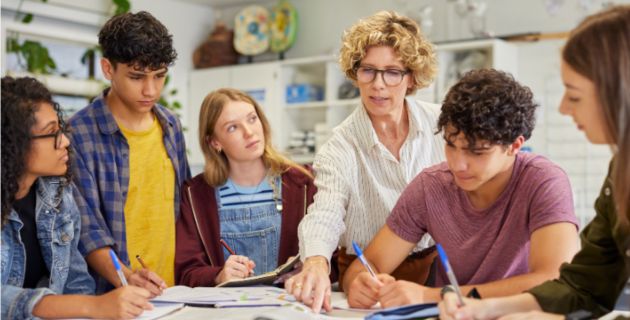
This education package aims to provide teachers with accessible resources, engaging classroom ideas and activities suitable for students at different levels of learning. It has been developed by CSU researchers, and current High School teachers from NSW and the ACT, who have a variety of classroom experience including Geography and Science.

About this package

This education package is designed to help your students explore:

  • the relationship between agricultural soils and the food we eat (including food security);
  • how biomes are changed for the purpose of agriculture;
  • how “healthy” soil sustains life;
  • the relationship between what we do with soil in agriculture and climate change;
  • how everyone can influence changing soil management practices over time.

Soil management is complex, but it is important to sustainability, climate change, food security and other major issues that are relevant to Australian high school students and their future. This package contains material that can engage students and help them to understand the role of soil stewardship.

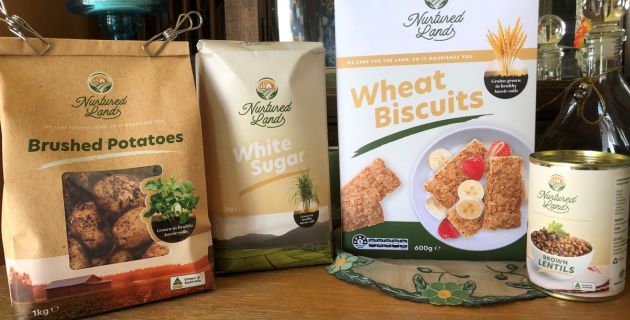
This package is an outcome of a 3-year project by a team from Charles Sturt University and the University of Tasmania, funded by the Soil CRC (Cooperative Research Centre). This project investigated how to activate consumer markets for soil stewardship, through the creation of a hypothetical food brand (“Nurtured Lands”). One of our findings was that soil and its role in supporting humans is poorly understood and rarely considered by people in the general population. A better understanding, and appreciation, of soil will help consumers make choices that are better for them and the planet.

How this package fits with National Curriculum areas

This package has chiefly been designed for use within the Year 9 Geography unit of study, Biomes and food security.

The materials have been tailored to help teachers engage students in the following key inquiry questions:

  • What are the causes and consequences of change in places and environments and how can this change be managed?
  • What are the future implications of changes to places and environments?

In addition, this package is highly relevant to the cross-curriculum priority area of Sustainability, given the centrality of soil in the capacity of Earth to maintain all life. This package will contribute to students’ …

  • Understanding the ways social, economic and environmental systems interact to support and maintain human life
  • Appreciating and respecting the diversity of views and values that influence sustainable development
  • Participating critically and acting creatively in determining more sustainable ways of living.

Overview of the package

The package aims to provide students with an opportunity to:

  • Learn the importance of soils for food security, now and into the future;
  • Understand the difference between “healthy” and productive soil and degraded, under-productive soil;
  • Develop emerging understanding that soil management is not ‘one size fits all’;
  • Think about the roles of farmers and consumers in creating demand that interconnects with places and environments; and
  • Make connections between soil, food and climate change.

The package consists of six sections. Each section contains:

  • Teacher notes with detailed content and suggested resources and activities;
  • Editable worksheets for class activities;
  • An editable PowerPoint presentation;
  • Section 6 also contains an editable handout for a suggested major term project, which includes a suggested marking rubric.

Each section has a specific focus and learning aims. Sections are sequential and build on learning in previous sections. However, they are amenable to a pick-and-mix approach, depending on the teacher’s preference.

Section 1: Soil and our food

Section 1: Soil and our food

Learning aims:

  • This section is designed to introduce students to the topic of soil, by showing how it is relevant to us all.
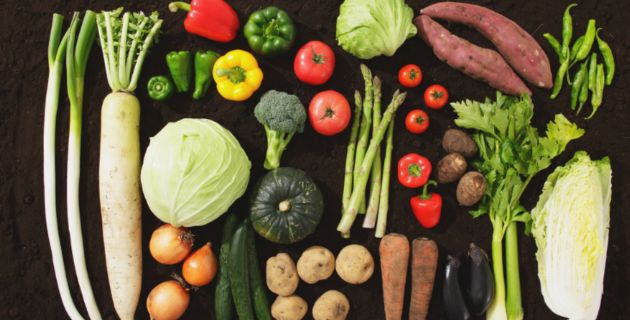
  • Students will learn that almost all of what we eat starts with the soil
  • The idea is to lead to students to question the consequences of degraded soil by asking the question ‘what if all our soil stopped being able to produce food?’

Resources

Files will download directly to your device—check your Downloads folder to access them.

Section 2: Get your hands dirty

Section 2: Get your hands dirty

Learning aims:

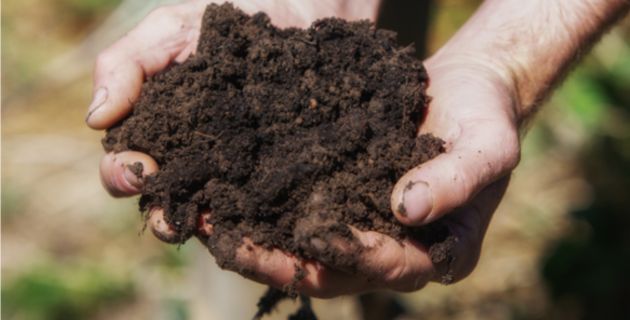
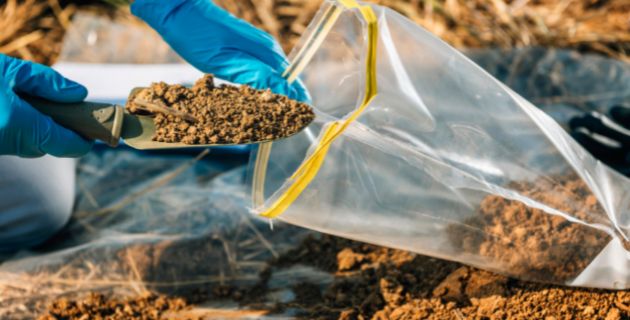
  • This section is designed to focus on practical explorations of soil: healthy soils and depleted soils and how they function differently.
  • Students will experience different soils and see the outcomes of ‘living soil’ for plants or fibres.

Resources

Files will download directly to your device—check your Downloads folder to access them.

Section 3: Agriculture, soil and changes to biomes

Section 3: Agriculture, soil and changes to biomes

Learning aims:

  • This section is designed to focus on how agricultural practices change biomes by changing soil.
  • Students will learn about practices that lead to land degradation, and what practices farmers are adopting to address these issues and restore soil health.

Resources

Files will download directly to your device—check your Downloads folder to access them.

Section 4: Food security at a Global level (and why soil matters)

Section 4: Food security at a Global level (and why soil matters)

Learning aims:

  • This section is designed to build on key learning areas from Sections 1, 2 and 3.
  • Students will explore the concept of food security, and learn about some threats to food security and how these relate to soil.

Resources

Files will download directly to your device—check your Downloads folder to access them.

Section 5: Difficulties faced by farmers

Section 5: Difficulties faced by farmers

Learning aims:

  • This section is designed to provide students with an understanding of the difficulties and realities of farming.
  • It addresses the question of why farmers may not be able to switch to practices that maintain or rebuild soil health

Resources

Files will download directly to your device—check your Downloads folder to access them.

Section 6: What can we (consumers) do?

Section 6: What can we (consumers) do?

Learning aims:

  • This section is designed to provide students with an understanding of the relationship between consumer demand and farming practices
  • Students will learn that we all have a role to play in helping farmers to restore their soil, and will explore how to get the general public interested in soil.
  • Students will also be introduced to the main term assessment task.

Resources

Files will download directly to your device—check your Downloads folder to access them.

The material may also be useful in other areas of the Australian high school curriculum. Suggested activities have been presented so that teachers can ‘pick and mix’ anything that may be valuable in other units of study. Possible units of study may include:

Yr 7 Geography

Water in the world

Place and liveability

Yr 8 Geography

Landforms and landscapes

Yr 9 Geography

Geographies of interconnections

Yr 10 Geography

Environmental change and management

Geographies of human wellbeing

Yr 7 Economics and Business

The ways consumers and producers interact and respond to each other in the market (ACHEK017)

Yr 7 Biological sciences

Constructing and interpreting food webs

Investigating the effects of human activity on local habitats

Other areas of application may include Earth & Environmental Science (Unit 2: Earth processes – energy transfers and transformations, Biological soil crusts and nutrient cycling in Australian rangelands; Unit 3: Living on Earth extracting, using and managing Earth resource, Food security and protecting agricultural biodiversity) and Agriculture.

Authors

Project lead: Professor Mark Morrison, Charles Sturt University

Dr Kirsty McKenzie, Dr Jenni Greig, Dr Felicity Small, Charles Sturt University

Co-Collaborators

Throughout the project, we worked collaboratively with a group of Australian high school teachers and others with expertise in the area, who worked with us to make the package relevant to teachers, and who read and commented on a draft of the package:

Dr John Rafferty (Charles Sturt University)

Luke Gilmer (Scots All Saints College, NSW)

Sara Vassallo (ACT)

Brett Woods (Crookwell High School, NSW)

Chris Wilson (Crookwell High School, NSW)

Jessica Morrison (Abbotsleigh, NSW)

Acknowledgements

We would like to acknowledge the contributions made by the following individuals, who provided their expertise and guidance at different stages of the development of the package, and without whom the project would not have been possible.

Dr Sergio Moroni (Charles Sturt University) provided input on the structure and content of a late draft of the package and helped guide us away from overly simplifying a complex set of issues.

Dr Catherine Allan (Soil CRC) provided input and content checking on the final draft of the package.

We would also like to acknowledge the Cooperative Research Centre for High Performance Soils, and Sustainability at Charles Sturt who provided funding to enable completion of this project.